

Skip to content
Search

Latest Stories

TCB Conference Banner
cipherbrief

Welcome! Log in to stay connected and make the most of your experience.

Input clean

The Cipher Brief: National Security news, analysis and expert commentary.
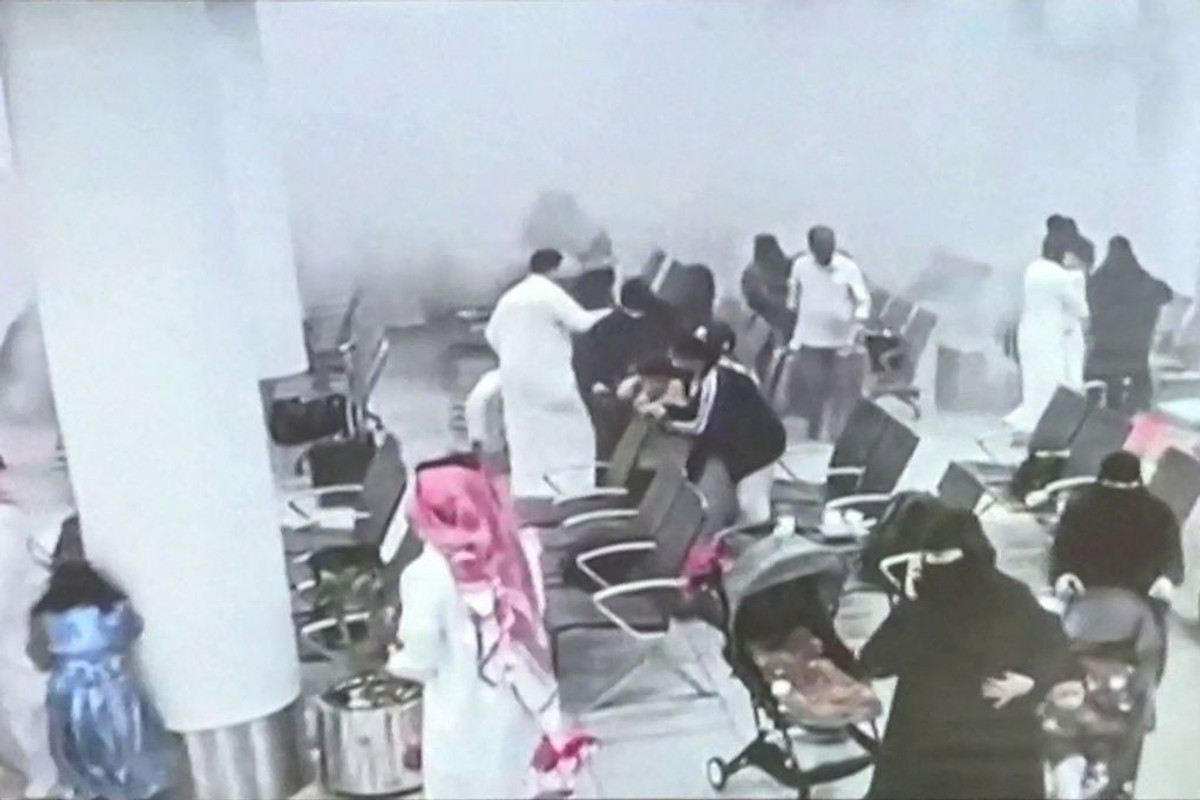
How America’s Adversaries Compete Across Peace and War

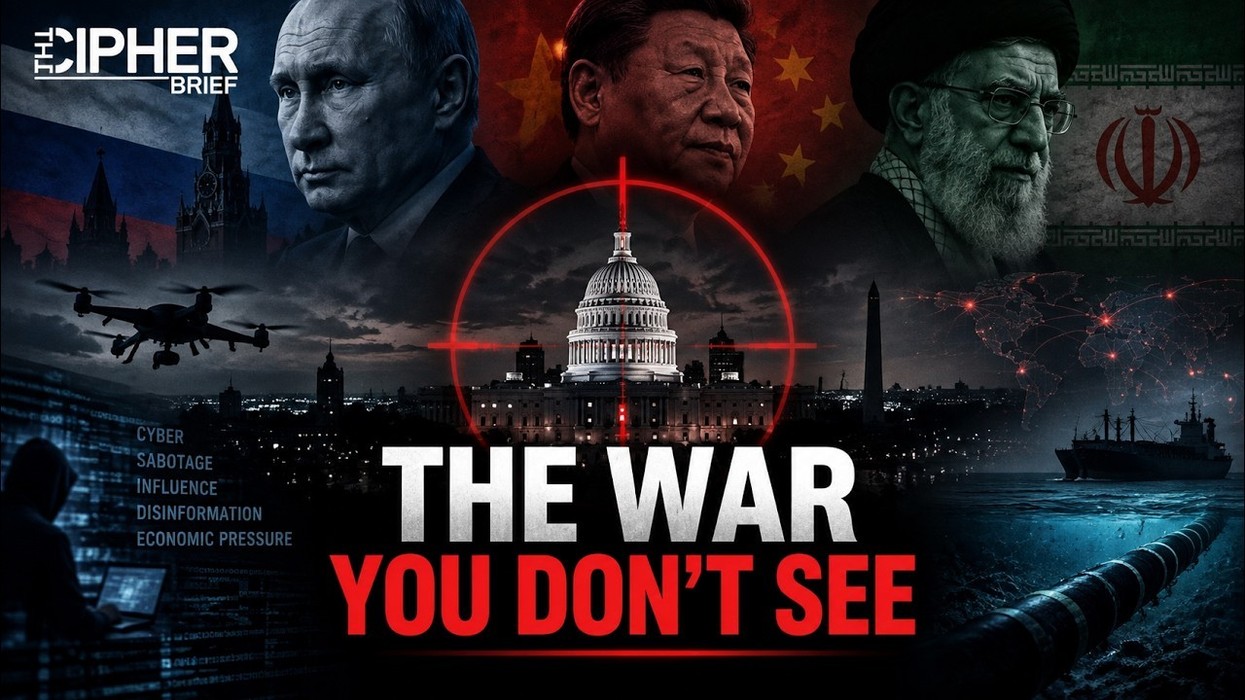
Rather than seeking decisive battlefield victory, U.S. adversaries are using long-term pressure campaigns to erode American power, autonomy, and resolve.

Russia's President Vladimir Putin Visits Beijing

Author’s Note: This article does not introduce “Endless Warfare” as another term in an already crowded national security lexicon. It examines an [...] More

Open Source Report logo

The Open Source Report
UNITED STATES - FEBRUARY 27: William Pulte, nominee to be director of the Federal Housing Finance Agency, is sworn in to his Senate Banking, Housing and Urban Affairs Committee confirmation hearing in Dirksen building on Thursday, February 27, 2025. (Tom Williams/CQ-Roll Call, Inc via Getty Images)

Global Intelligence Report for Wednesday, June 3, 2026

Trump names Housing chief Bill Pulte as acting Director of National Intelligence

U.S., Iran clash in Persian Gulf as Kuwait and Bahrain come under attack

CIA and ODNI feud over turf and mission, reportedly disrupting intelligence collaboration

Trump signs a narrowed AI executive order to increase government oversight

Access Today’s Report

Expert Insights

Cipher Brief Experts bring context to today’s global events

Opinion

China’s Uneasy Partnerships With Russia and North Korea

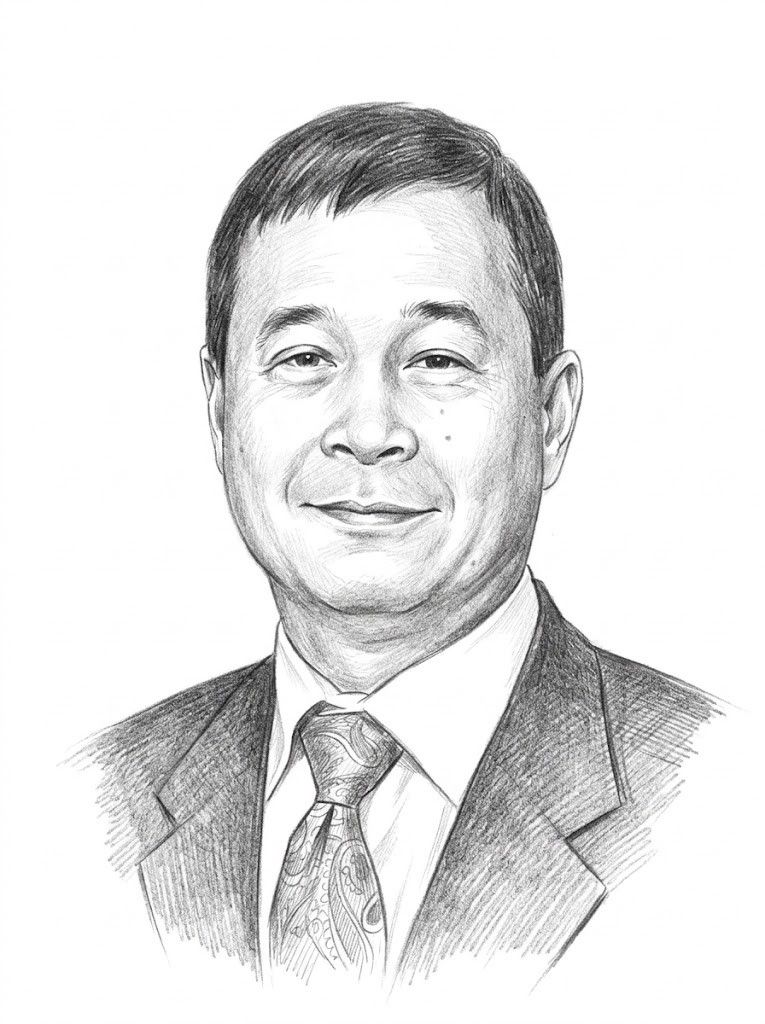
Ambassador Joseph DeTrani

China’s summit with Russia last month and the reported likely upcoming visit of President Xi Jinping to North Korea are tactical moves that ignore the historical tensions between China, Russia and North Korea.That tension [...] More

Opinion

From Terror Networks to Hybrid Threats: A Partner Approach to a Growing Threat

Colin Clarke
Christopher Costa

The hybrid threat challenge facing Europe today is reminiscent of the terrorist threat challenge of the post-9/11 Global War on Terrorism (GWOT) era. Because of that similarity, the alliance should adapt the [...] More

News & Analysis

Remembering the Americans Who Made Ukraine’s War Their Own

Remembering the Americans Who Made Ukraine’s War Their Own

This Memorial Day, The Cipher Brief is remembering the Americans who answered the call after Russia launched its unprovoked, deadly invasion of [...] More

Opinion

Invisible Conflict: Defending Against Hybrid Non-Kinetic Warfare

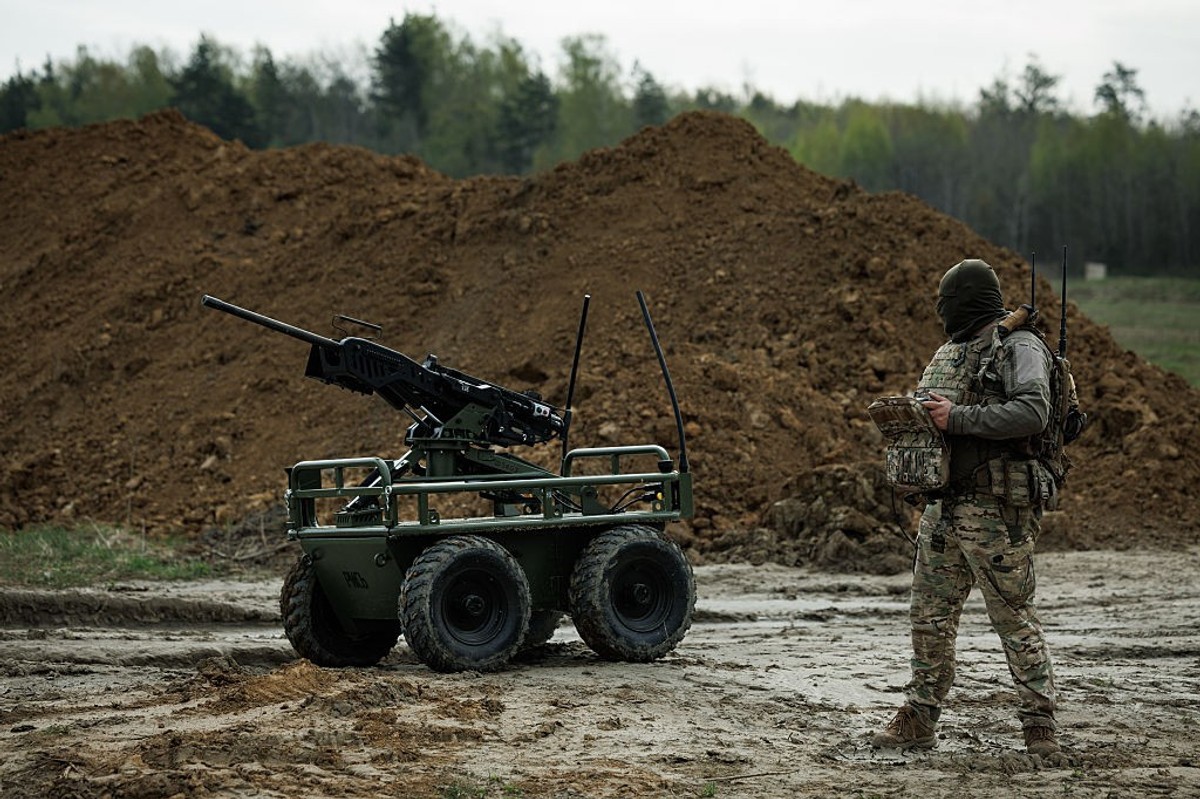
War doesn’t always look like war anymore. Hybrid non-kinetic warfare is an increasingly popular means for threat actors to orchestrate prolonged [...] More

What’s on The Cipher Brief’s Digital Channel

Book Reviews

NO PRESS IN THE PRESS OFFICE: It’s not really a secret that this Pentagon doesn’t find much use for members of the press, even though the Secretary of Defense used to be one of them. In an exclusive, the Washington Post now reports that the Pentagon is barring members of the press from the press office. (We had to read that twice, too.) Traditionally, reporters have dropped by the office to ask questions - but not anymore. The official reason for the ban: speechwriters have moved into the space, and they access classified material, so no one without a security clearance can be there. So the message we’re taking away if, [...] More

Get The Drop

Events

Live Events

2026 Threat Conference

2026 Threat Conference

The Cipher Brief Threat Conference is the nation’s premier forum for non-partisan discussion of global threats and solutions as well as high-level [...] More

Upcoming: 25 October, 2026

Podcasts

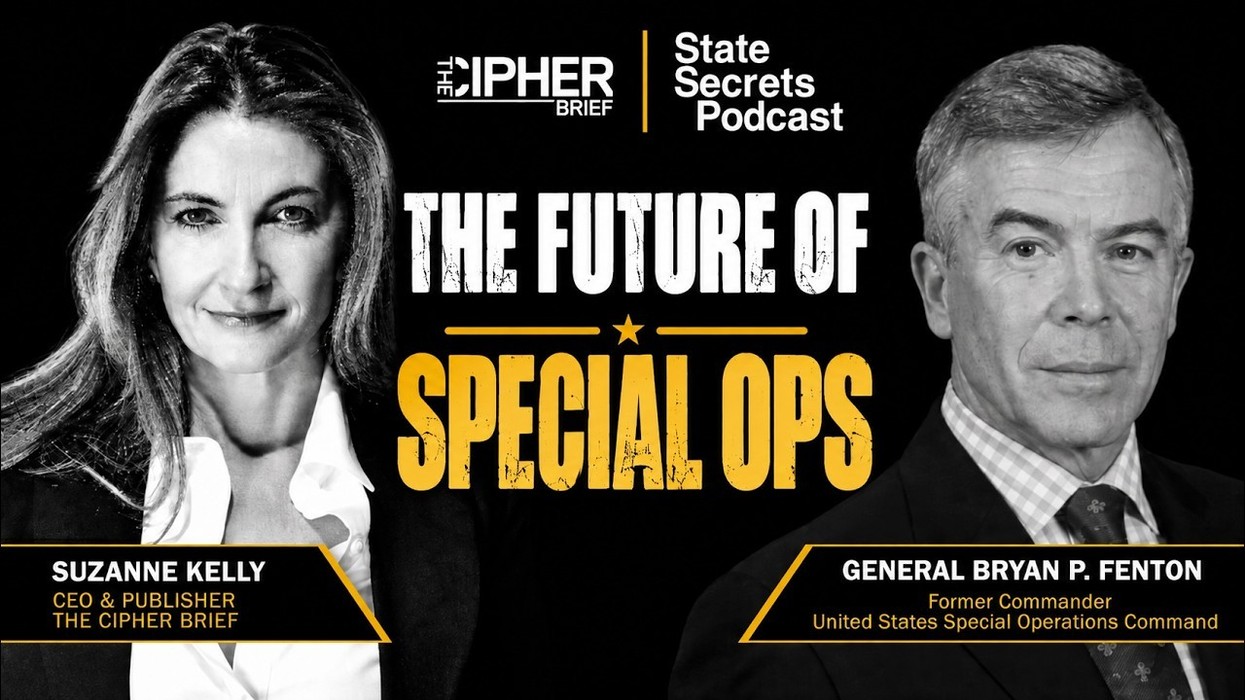
State Secrets

What happens when artificial intelligence, climate disruption, geopolitical rivalry, and information warfare collide?

In this episode of the State Secrets Podcast, Cipher Brief CEO Suzanne Kelly sits down with retired Admiral James Stavridis and bestselling author and former Marine Eliot Ackerman to discuss their new novel, 2084—the final installment in their acclaimed trilogy that began with 2034 and 2054.

Drawing on decades of military, intelligence, and geopolitical experience, Stavridis and Ackerman explore a future shaped by climate-driven migration, AI-powered conflict, surveillance, shifting global power centers, and the growing competition for influence in the Arctic and beyond. They explain how fiction can serve as a strategic warning, helping readers imagine future crises before they become reality.

The conversation also examines the risks of cognitive warfare, autonomous weapons, U.S.-China tensions, democratic resilience, and why—despite the challenges ahead—the authors remain cautiously optimistic about humanity’s ability to navigate the century's biggest threats.

If you care about the future of national security, technology, and global stability, this is a conversation you won't want to miss.